The visit ended weeks ago. The balance is still outstanding.
By the time the balance after insurance reaches the patient, the visit is a distant memory. That gap costs most practices more than their card rate does.
- Free, no obligation
- HIPAA-conscious, PCI DSS compliant tools
- Local support, not a queue
Tools that shorten the distance between care and payment.
For medical, dental, vision, veterinary, chiropractic, physical therapy, and behavioral health practices.
Card on file, with consent
The patient authorizes in writing at check-in, and the card is stored as a secure token rather than a number in your office. When the explanation of benefits comes back, the remaining balance can be charged under the terms they agreed to — no second phone call.
Text-to-pay and email links
Send the balance as a secure link instead of an envelope. The patient taps it, pays from their phone, and it’s done in under a minute — usually the same day it arrives, rather than the third cycle of statements.
Automatic posting back
Payments flow into your practice management system on their own, so nobody re-keys a transaction or reconciles the same day twice. Fewer keystrokes means fewer typos, and the ledger matches the deposit without a hunt.
The clipboard is part of the problem
Digital registration and intake let a patient complete forms before they arrive — including the payment authorization — so the consent and the payment method are already on file before the claim is ever submitted. Less clipboard time in the waiting room, less paper with card details on it, and one fewer conversation to have later.
Hardware specced for how your front desk actually collects.
A copay at check-in, a balance weeks later, a card on file for the rest — the hardware should fit that. If what you already own carries over, we’ll say so instead of selling you a box.
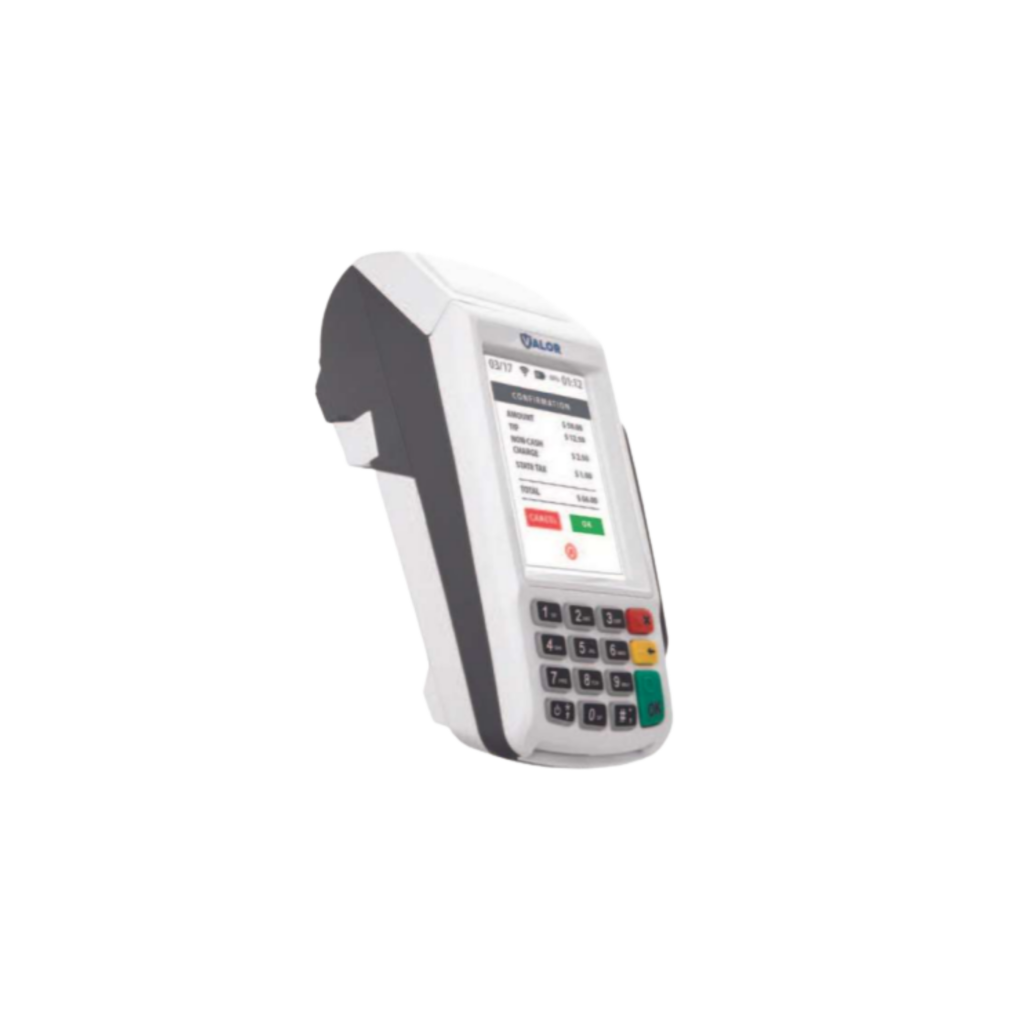
Front desk terminal
Check-out at the window, with a card on file for the balance.
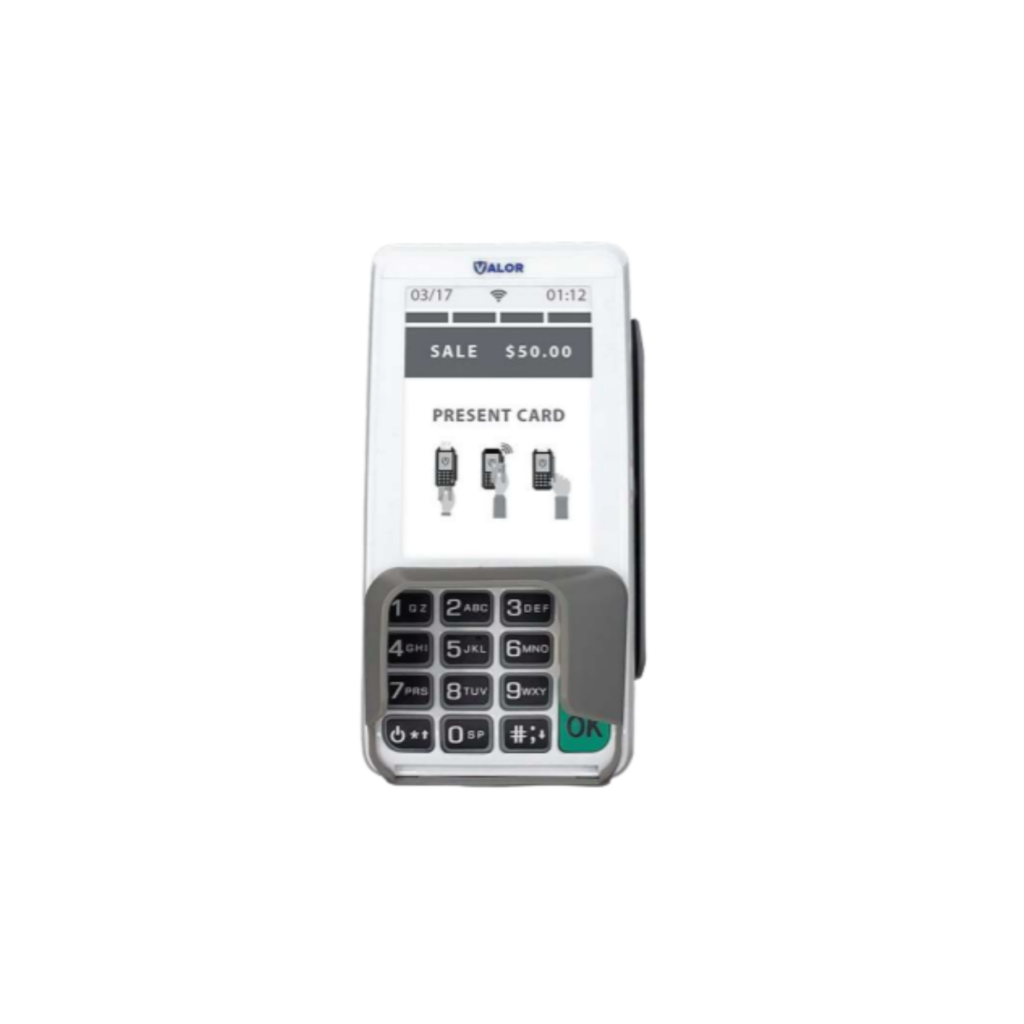
Patient-facing pad
The patient handles their own card at the desk.
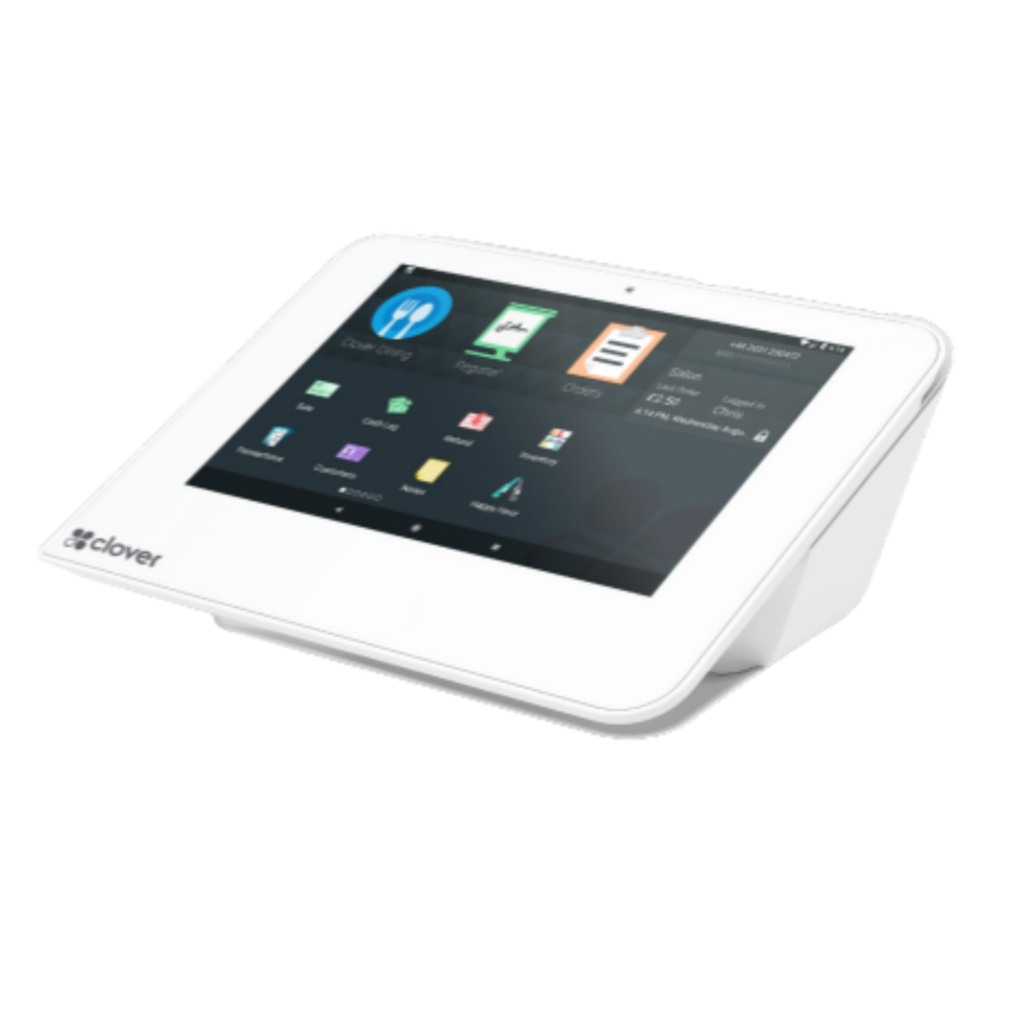
Compact station
A small footprint for a reception counter with no room to spare.
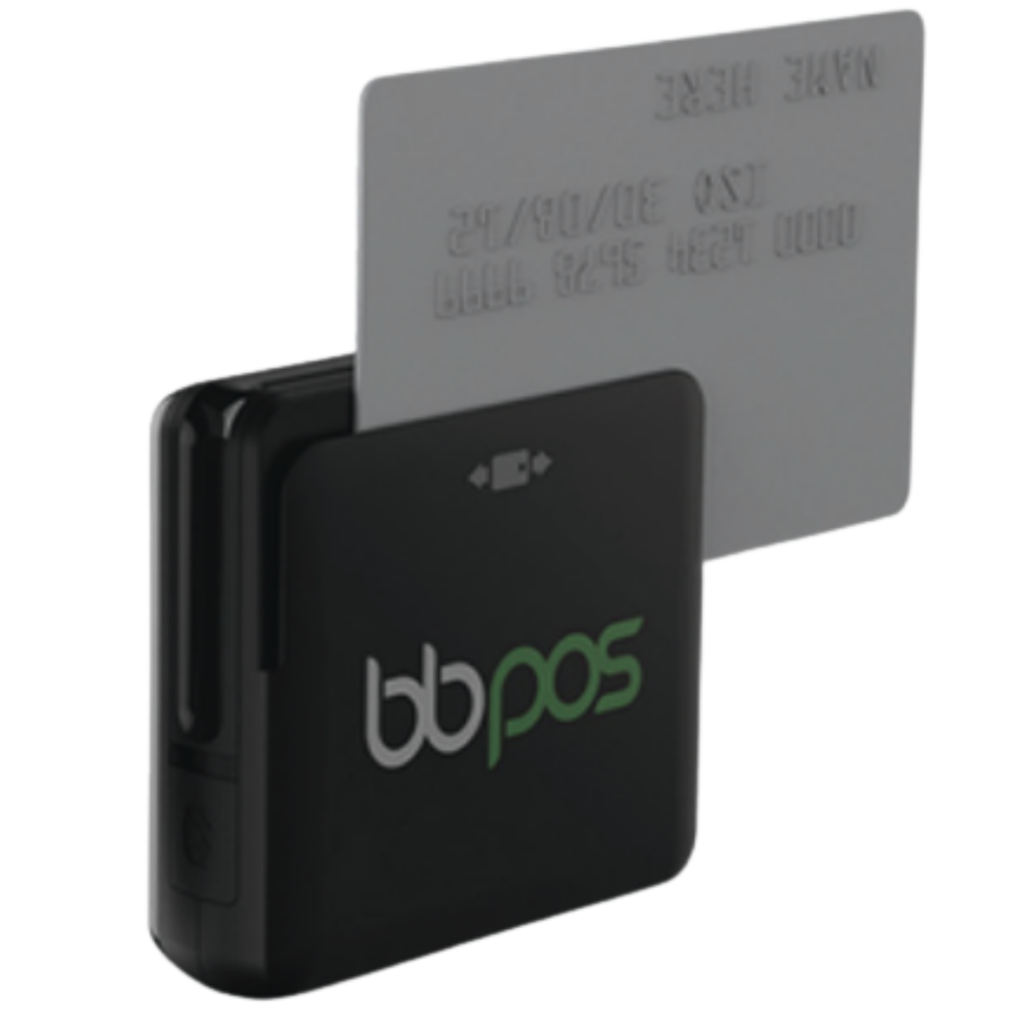
Contactless reader
Tap cards and mobile wallets, with nothing to hand over.
Read the terminal lease before you sign it
A multi-year terminal lease frequently costs several times what the hardware itself is worth, renews on its own unless you cancel in a narrow window, and is often written so it cannot be canceled at all. Send us the agreement you’re on and we’ll tell you what it actually says, what it runs you through the end of the term, and whether you’re free to move.
Three steps, and none of them interrupt a patient day.
Send two months of statements whenever your office manager has a quiet ten minutes. We’ll take it from there.
Send two statements
Two recent processing statements show your volume, average transaction, card mix, and every fee you’re paying. One month on its own can be a slow month or an odd one — two consecutive months show the real pattern and catch fees that only bill on certain cycles.
We shop it for you
We take your profile to the providers we work with and have them compete against each other for your business. You never make a call, sit through a pitch, or field a follow-up you didn’t ask for.
You get one clear answer
What you pay now, what you’d pay instead, and the twelve-month difference in dollars. If your practice is already priced well, we’ll say so.
What practice managers ask us.
The honest framing: payment tools support your compliance program. They do not create it, and they cannot satisfy it on your behalf. The platforms we place are built with that in mind — access controls, audit logging, encryption in transit and at rest, and a business associate agreement signed directly with the provider where protected health information is involved.
What stays with your practice stays with your practice: policies and procedures, workforce training, your risk analysis, physical safeguards, and how your staff actually handles information day to day. Maryland Local Merchants is an independent brokerage. We do not certify or guarantee your HIPAA compliance, and nothing on this page is legal advice. What we can do is get you the provider’s written documentation so your own compliance officer or counsel can evaluate it properly.
Often, yes. Many practice management systems support integrated payments, which means a transaction taken at the desk or through a pay link posts back to the patient ledger automatically instead of being typed in a second time.
Some systems are locked to a single processor by contract, and some integrations are shallower than the sales sheet suggests. Tell us what you run and we’ll find out before you commit to anything — including telling you when the answer is no.
Card on file is standard practice in healthcare billing, and the card brands have rules for it. The patient authorizes the arrangement in advance — in writing or electronically — and that authorization should state what will be charged, when, and how they can cancel. Many practices set a ceiling above which they call first. The signed authorization is stored with the record.
The card itself is replaced by a token. Your office holds a reference, not a card number, which keeps the actual data out of your systems and off your front desk. We’ll help you set the authorization language and the workflow, and we’d suggest your counsel take a look at the final wording before you put it in front of patients.
You agree on a total, a number of installments, and a date. The system charges the stored payment method on schedule and posts each one back to the ledger. If a payment fails, your team is notified rather than discovering it during a month-end review.
It changes the conversation at the desk. A treatment plan the patient would have deferred becomes something they can say yes to, and the practice collects on a predictable schedule instead of carrying the balance in accounts receivable and hoping.
Two statements. Ten minutes. A real answer.
Most practices we review are paying more than they need to, and collecting later than they should. Find out where yours stands.